
Leading Options in Foundation Repair Products for Lasting Results
Select from top-rated solutions designed to deliver durable, long-term support for your home's foundation.
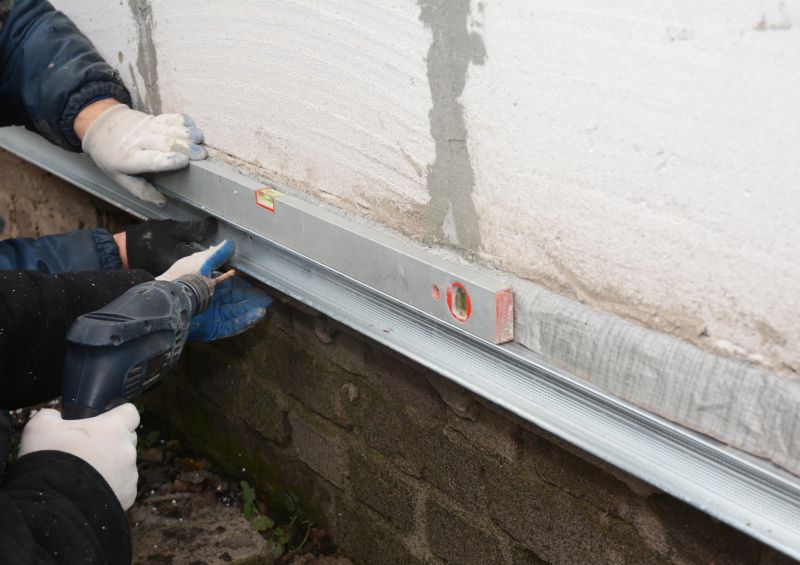 Foundation repairs are an essential aspect of maintaining the structural integrity of a building, especially in areas prone to soil movement, moisture fluctuations, or settling. Various products are designed to address different types of foundation issues, ranging from minor cracks to significant shifts. When selecting repair products, it is important to consider the specific needs of the foundation, the severity of the problem, and the compatibility of the product with existing structures. Proper installation and quality materials can help stabilize the foundation and prevent future damage.
Top Overall Option
Concrete Pier and Beam Support System
A concrete pier and beam support system provides a versatile foundation repair solution suitable for various structural issues. It involves installing concrete piers beneath the foundation to evenly distribute weight and stabilize the structure. This method is often used in areas with expansive soils or uneven settlement, offering a reliable way to reinforce and elevate the foundation. Properly installed, concrete piers can help improve stability and mitigate further movement, making them a practical choice for many repair scenarios.
Types of Products For Foundation Repairs
Hydraulic Push Piers
Hydraulic push piers are driven into the ground to lift and stabilize sinking foundations, providing support in cases of settlement.
Helical Piles
Helical piles are screw-like anchors inserted into the ground to support and stabilize the foundation, especially useful in difficult soil conditions.
Epoxy Injection Kits
Epoxy injection kits are used to seal and reinforce cracks in concrete foundations, restoring integrity and preventing water intrusion.
Mudjacking and Slab Lifting
Mudjacking involves pumping a slurry beneath concrete slabs to lift and level uneven surfaces caused by soil settlement.
Underpinning Systems
Underpinning involves extending the foundation’s depth or replacing it with more stable materials to support the structure.
Waterproofing Membranes
Waterproof membranes prevent water infiltration, protecting foundations from moisture-related damage.
Drainage Systems
Drainage solutions help divert water away from the foundation to reduce soil movement and moisture issues.
Soil Stabilization Products
Soil stabilization chemicals and methods improve soil strength around the foundation, reducing shifting and settling.
Foundation Bolts and Anchors
These hardware components secure the foundation to the structure, providing additional support and stability.
Concrete Piers
Concrete piers are installed beneath the foundation to provide vertical support and prevent sinking.
Steel Push Piers
Steel push piers are driven into the ground to lift and stabilize foundations with significant settlement issues.
Fiber Reinforced Polymers
These materials are used to reinforce cracked or damaged concrete, enhancing strength and durability.
Grout and Sealants
Grouts and sealants fill voids and cracks, preventing water intrusion and further deterioration.
Vapor Barriers
Vapor barriers control moisture vapor transmission, protecting the foundation from dampness and related problems.
Foundation Repair Kits
Complete repair kits include various tools and materials designed for DIY foundation stabilization projects.
Popular Choices
Hydraulic push piers are frequently selected for their ability to lift and stabilize foundations in a variety of soil conditions.
Epoxy crack repair kits are popular for sealing and reinforcing small to medium cracks in concrete foundations.
Mudjacking is a common method for leveling uneven concrete slabs caused by soil settlement.
Helical piles are often chosen for their ease of installation and effectiveness in supporting challenging soil types.
Waterproofing membranes are widely used to protect foundations from water damage and moisture infiltration.
Effective drainage systems are essential for preventing water accumulation around foundations, reducing soil movement.
Steel push piers are a preferred choice for their strength and ability to lift heavily settled foundations.
Soil stabilization products are often used to improve soil support around foundations, especially in expansive soils.
Foundation bolts are commonly installed to secure the foundation to the structure, enhancing stability.
Concrete piers are a versatile option for underpinning and supporting various foundation types.
Epoxy injection systems are popular for repairing cracks and restoring concrete integrity.
Vapor barriers are used in many repair projects to control moisture and prevent foundation deterioration.
Drainage mats assist in directing water away from the foundation, supporting moisture management.
DIY foundation repair kits are increasingly popular among homeowners seeking cost-effective solutions.
In the realm of foundation repair, there is a wide array of solutions tailored to different circumstances. Hydraulic jacks, underpinning systems, and epoxy injections are common options for addressing cracks and settling. For ongoing moisture control, waterproofing membranes and drainage systems are vital. It is often recommended to consult with a foundation specialist to determine the most suitable approach for your property. Regular inspections and timely interventions can extend the lifespan of a foundation and maintain the safety of the building.
Choosing the right products involves assessing factors such as load-bearing capacity, ease of installation, durability, and compatibility with existing materials. Quality repair products can provide peace of mind by offering effective solutions that align with safety standards. Whether dealing with minor cracks or more extensive foundation issues, understanding the available options helps homeowners and contractors make informed decisions to support long-term stability.
Key Buying Considerations
- Assess the severity and type of foundation issue to select the most appropriate product.
- Consider the soil type and moisture conditions at your location to ensure compatibility.
- Evaluate the load-bearing capacity needed for your specific foundation repair scenario.
- Check the installation requirements and whether professional help is advisable.
- Review product durability and resistance to environmental factors such as moisture and temperature changes.
- Ensure the product is compatible with existing foundation materials and structures.
- Look for products with clear instructions and support options for proper installation.
- Consider the long-term effectiveness and whether maintenance is required.
- Verify that the product complies with local building codes and safety standards.
- Estimate the overall project budget, including materials and labor costs.
- Research customer reviews and expert opinions for insights into product performance.
- Determine if the product allows for future adjustments or repairs if needed.
- Evaluate the ease of use, especially for DIY projects versus professional installation.
- Check for warranties or guarantees offered by the manufacturer.
- Consider environmental factors in your area that might influence product choice, such as soil stability.