Optimal Timing for Foundation Repairs
Understanding the optimal time to perform foundation repairs is essential for ensuring long-term stability and minimizing disruption. Proper timing can prevent further damage and reduce repair costs. Factors such as weather conditions, soil moisture levels, and seasonal temperature fluctuations influence the effectiveness of repairs.
Spring offers moderate temperatures and increased soil moisture, which can facilitate foundation repairs. However, rapid soil expansion and contraction during this period may affect repair longevity.
Warm weather and dry conditions can make repairs more manageable, but extreme heat and drought can cause soil shrinkage, potentially impacting repair stability.
Fall provides cooler temperatures and consistent soil moisture, making it an ideal time for foundation work before winter conditions set in.
Cold temperatures and potential frost can hinder foundation repairs. Frozen ground complicates excavation and stabilization efforts, making winter generally less suitable.

An overview of typical foundation repair techniques and procedures.

Visual comparison showcasing foundation stabilization results.

Essential tools used in foundation repair projects.

Ways to make Foundation Repairs work in tight or awkward layouts.

Popular materials for Foundation Repairs and why they hold up over time.

Simple add-ons that improve Foundation Repairs without blowing the budget.
Foundation repairs are vital for maintaining the structural integrity of a building. They address issues such as settling, cracking, and shifting caused by soil movement, moisture changes, or poor initial construction. Timely repairs can prevent further damage, reduce repair costs, and improve safety. The most effective repair strategies depend on soil conditions, weather patterns, and the extent of damage. Common methods include underpinning, piering, and mudjacking, each suited to different types of foundation issues.
| Season | Optimal Repair Conditions |
|---|---|
| Spring | Moderate soil moisture; avoid rapid expansion |
| Summer | Dry conditions; watch for soil shrinkage |
| Fall | Stable soil moisture; before winter |
| Winter | Frost and frozen ground; generally unsuitable |
| Soil Moisture | Consistent moisture levels prevent shifting |
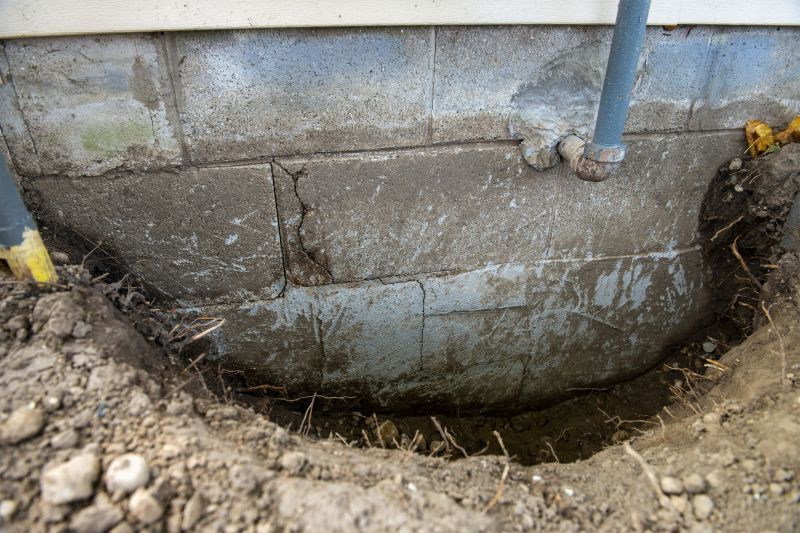
Common signs indicating the need for repairs.
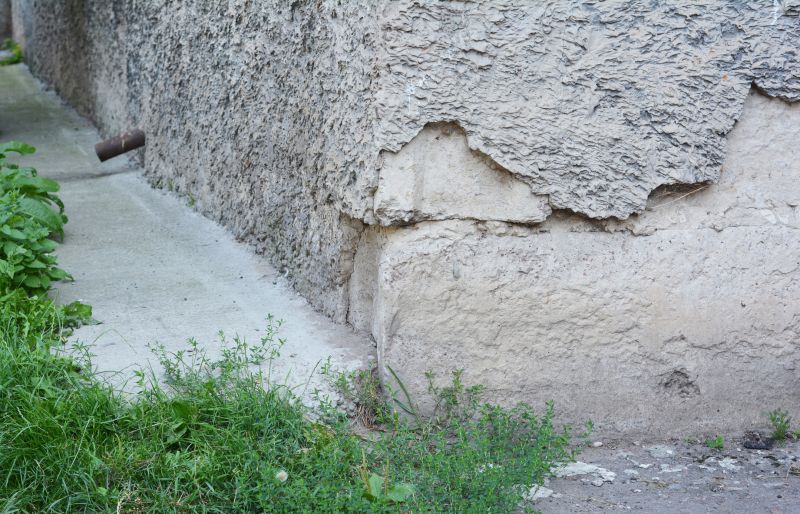
Effects of soil expansion and contraction on foundations.
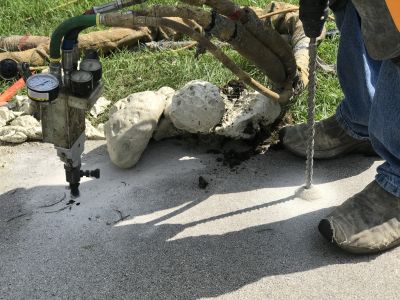
Specialized machinery used in foundation stabilization.
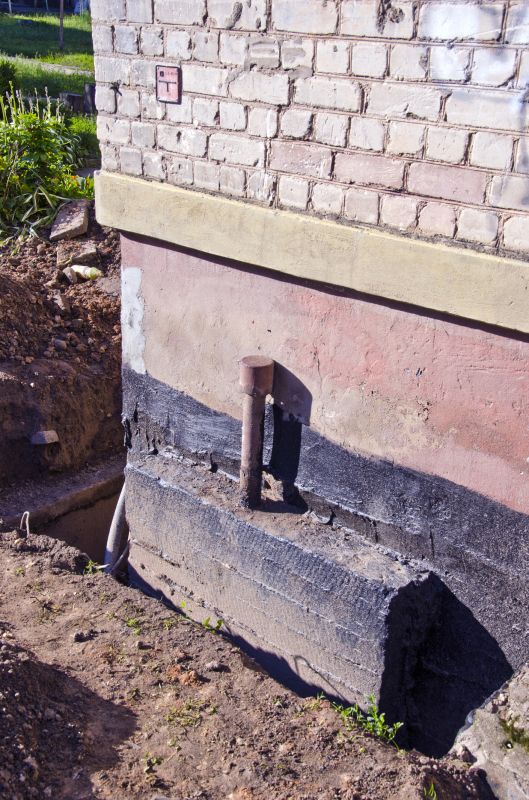
Typical foundation repair work in progress.
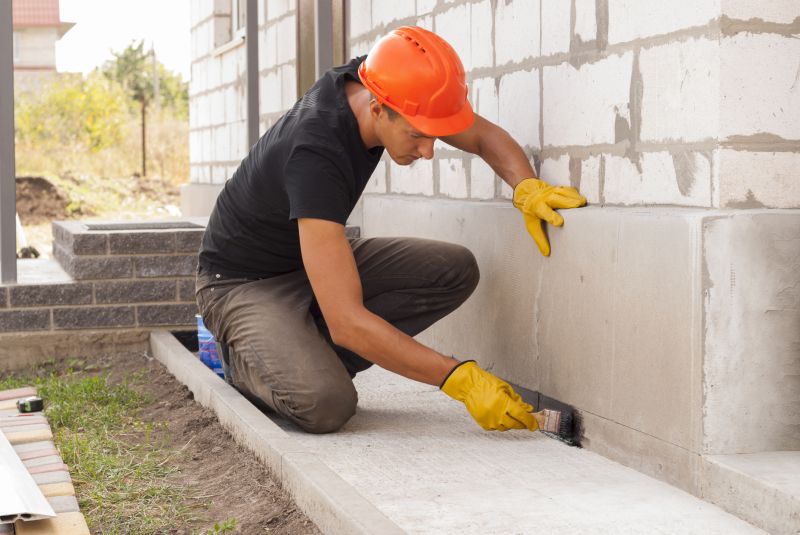
High-end options that actually feel worth it for Foundation Repairs.
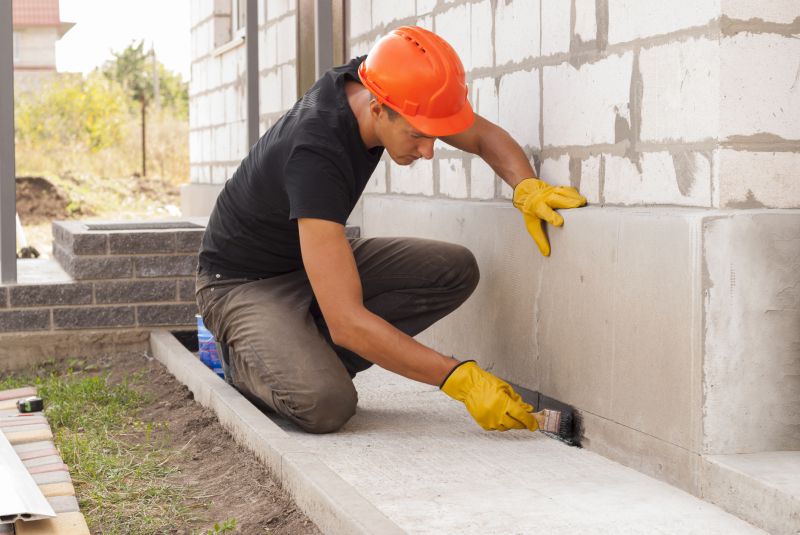
Finishes and colors that play nicely with Foundation Repairs.
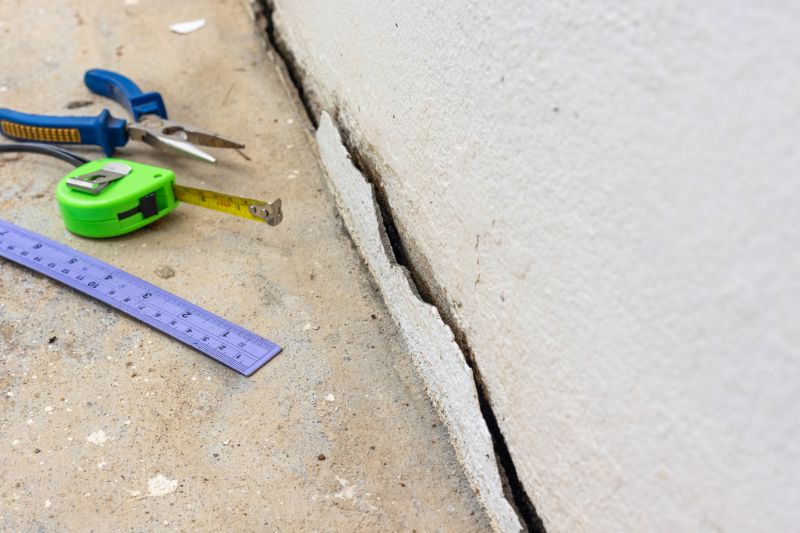
Little measurements that prevent headaches on Foundation Repairs day.
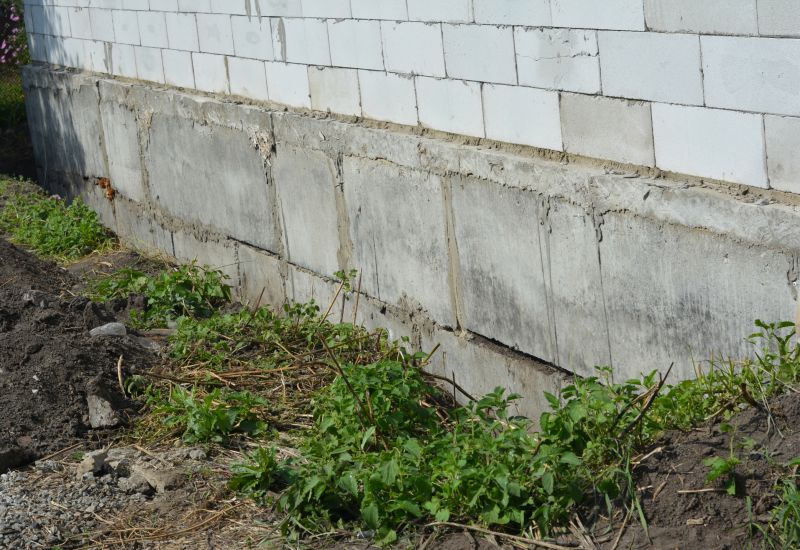
A 60-second routine that keeps Foundation Repairs looking new.
Choosing the right time for foundation repairs depends on local climate conditions and soil characteristics. Proper planning ensures the durability of repairs and minimizes future issues. Consulting with foundation specialists can help determine the most suitable season for a specific project. Regular inspections can identify early signs of foundation problems, allowing repairs to be scheduled at the most advantageous time.
Cracks in walls, uneven floors, and sticking doors may indicate issues.
Assessing soil type and moisture helps plan effective repairs.
Proper drainage and soil management can reduce the need for repairs.
Select experienced professionals for effective foundation stabilization.
Individuals interested in foundation repairs are encouraged to contact professionals for assessments and recommendations. Proper timing, combined with expert execution, can significantly extend the lifespan of a building's foundation and ensure safety and stability over time.