How Cracks in Concrete Foundations Affect Structural Stability
Local contractors specializing in concrete foundation crack repair can assess and fix cracks to help maintain your home's structural stability and prevent further damage.
Understanding how cracks in concrete foundations affect structural stability is crucial for property owners concerned about the safety and longevity of their buildings. Over time, small cracks can develop into larger issues that compromise the integrity of a foundation, potentially leading to uneven settling, further damage, or costly repairs. If you’ve noticed cracks or signs of shifting in your foundation, exploring this topic can provide valuable insights into the importance of timely assessment and repair, helping you make informed decisions about maintaining your property’s stability.
Local contractors who specialize in concrete foundation crack repair are equipped to evaluate the severity of cracks and determine whether they pose a risk to the overall structure. Addressing these issues early can prevent more extensive damage and help preserve the safety of your home or building. Continuing to read can help property owners understand the practical impact of foundation cracks and how professional repair services play a key role in maintaining long-term stability.
- Concrete foundation crack repair services are needed when cracks threaten the overall stability of a structure and pose risks to safety. Local contractors assess the severity of cracks and implement targeted repair solutions to prevent further damage and maintain structural integrity. When cracks in concrete foundations are signs of ongoing movement or instability, service providers use specialized techniques to stabilize and reinforce the foundation. Homeowners noticing widening or shifting cracks can rely on local pros to evaluate the impact on structural stability and recommend appropriate repairs. These services are essential for addressing how cracks in concrete foundations affect structural stability and ensuring long-term durability.
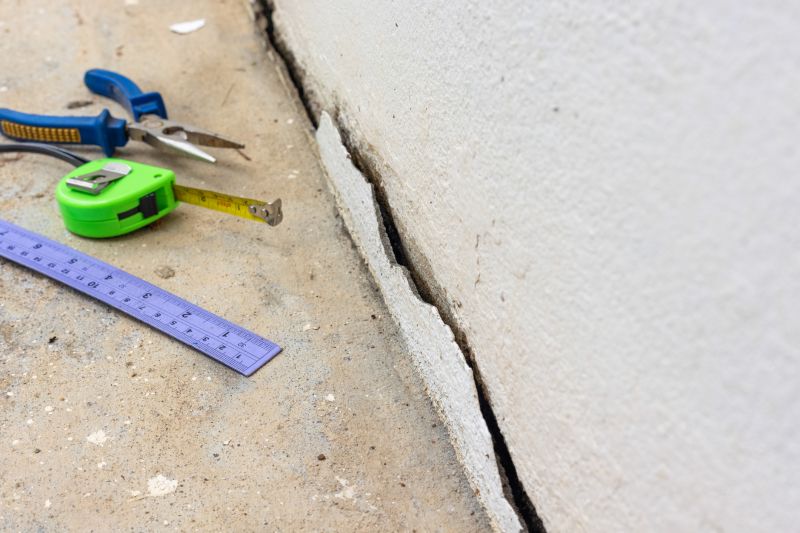
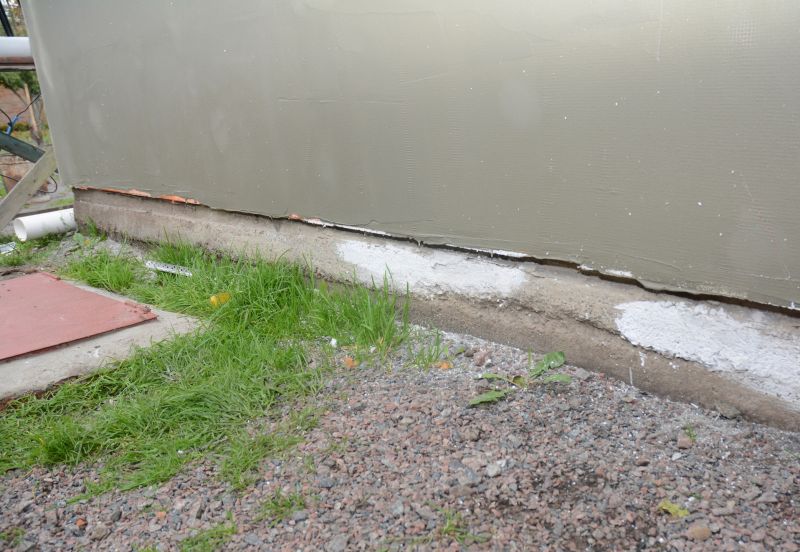
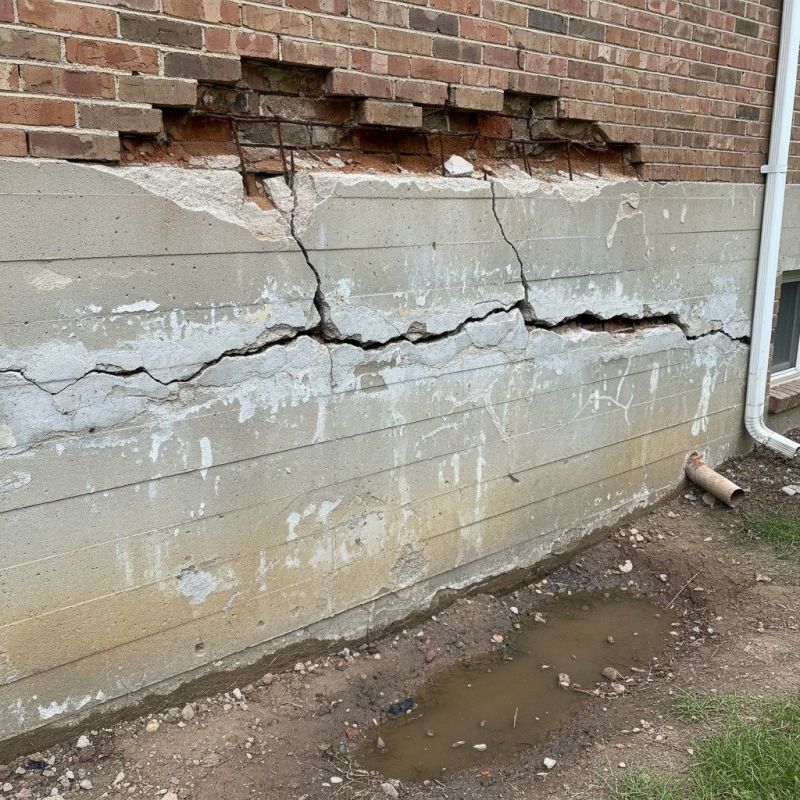
When searching for information about how cracks in concrete foundations affect structural stability, homeowners are often concerned about the safety and longevity of their property. Cracks can appear in various forms-such as small hairline fractures or larger, more noticeable splits-and their presence can raise questions about whether the foundation is compromised. Many people want to understand if these cracks are just cosmetic or if they signal deeper issues that could threaten the entire structure. This topic is especially relevant for those experiencing recent settlement, shifting, or visible damage around their property, as well as owners of older homes where foundation wear is more common.
The problems related to cracks in concrete foundations typically involve concerns about shifting or settling that can lead to uneven floors, sticking doors or windows, and even structural failures if left unaddressed. Homeowners planning renovations or repairs often consider foundation crack repair as part of their project scope, especially if cracks are expanding or accompanied by other signs of instability. These cracks can also impact property value, making timely assessment and repair essential. When it comes to plans for new construction or property upgrades, understanding how foundation cracks influence stability helps ensure that the building remains safe and durable over time.
Properties that usually come up in discussions about foundation cracks include residential homes, especially those built on clay or expansive soils, as well as multi-family buildings and small commercial structures. The size, location, and pattern of cracks often determine the severity of the issue and the type of repair needed. For example, vertical or diagonal cracks along foundation walls may indicate settlement problems, while horizontal cracks could suggest pressure from soil expansion. Local contractors experienced in concrete foundation crack repair can evaluate these signs to determine whether the cracks are superficial or require more extensive intervention to restore stability.
For homeowners facing cracks in their concrete foundations, understanding how these flaws affect structural stability is crucial for making informed decisions about repairs. Local service providers can assess the condition of the foundation, identify the root causes of cracking, and recommend effective repair solutions. Whether the cracks are minor and cosmetic or signs of more serious issues, professional inspection and repair ensure that the property remains safe and secure. Connecting with experienced contractors in the area can help address foundation concerns promptly, preventing further damage and preserving the integrity of the building over time.
Foundation Inspection Services - Professionals specializing in foundation inspections can identify cracks and assess their impact on structural stability, helping homeowners understand the severity of foundation issues.
Concrete Repair and Resurfacing - Local contractors skilled in concrete repair can address cracks that threaten the integrity of foundations and restore stability through specialized techniques.
Structural Reinforcement Projects - These projects involve adding supports or braces to strengthen compromised foundations affected by cracks, ensuring ongoing stability and safety.
Drainage and Waterproofing Services - Proper drainage and waterproofing help prevent water-related cracks in concrete foundations, reducing the risk of further structural damage.
Soil Stabilization and Excavation - Soil stabilization experts prepare or modify the ground beneath foundations to prevent cracking caused by shifting or settling soils.
Masonry and Wall Repair - Masonry specialists repair or reinforce cracked foundation walls, helping maintain the overall stability of the structure.
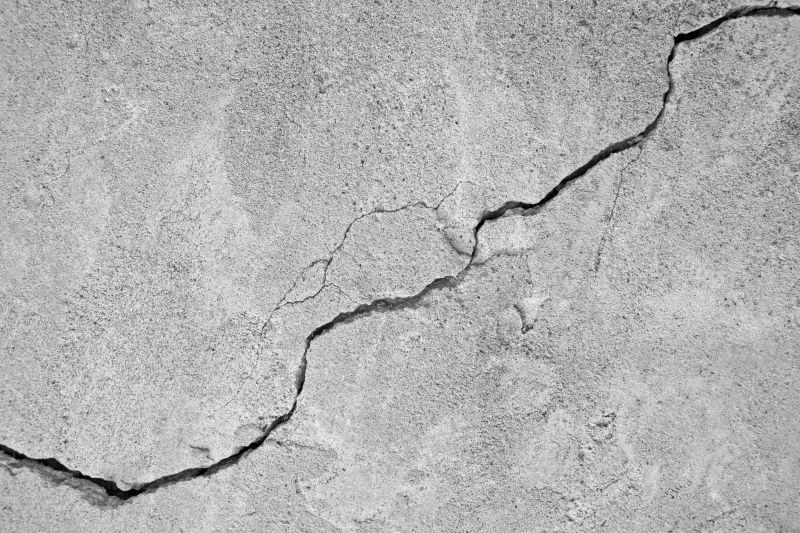
When evaluating contractors for concrete foundation crack repair, it is important to consider their experience with similar projects. A contractor who has handled cracks in foundations of comparable size and severity will be better equipped to assess how cracks in concrete foundations affect structural stability and recommend effective solutions. Homeowners should inquire about the types of repairs the contractor has performed in the past and seek service providers with a proven track record of addressing foundation issues similar to their own. This experience can help ensure that the repair approach is appropriate and that the contractor understands the nuances involved in maintaining the stability of a home's foundation.
Clear written expectations are essential when choosing a local contractor for foundation crack repair. A reputable service provider should be able to communicate their process, the scope of work, and the materials they plan to use in straightforward terms. Having detailed, written information helps homeowners understand what to expect during the repair process and provides a reference for any questions or concerns that may arise later. This transparency can also serve as a basis for comparing different contractors’ approaches and ensuring that the repair plan aligns with the homeowner’s expectations for addressing how cracks in concrete foundations affect the structural integrity of the home.
Reputable references and strong communication skills are key factors when selecting a service provider for foundation crack repair. Service providers with positive references from previous clients can demonstrate a history of reliable work and satisfied homeowners. Good communication ensures that homeowners can ask questions, express concerns, and receive timely updates throughout the project. When comparing local contractors, it is helpful to seek out those who are responsive and clear in their explanations, as this often indicates a professional approach to customer service. These qualities can contribute to a smoother repair process and greater confidence in the contractor’s ability to restore the foundation’s stability effectively.
Property owners often search for how cracks in concrete foundations affect structural stability when they are planning practical projects around their homes and businesses. Local pros provide Concrete Foundation Crack Repair services for everyday jobs and straightforward project options.
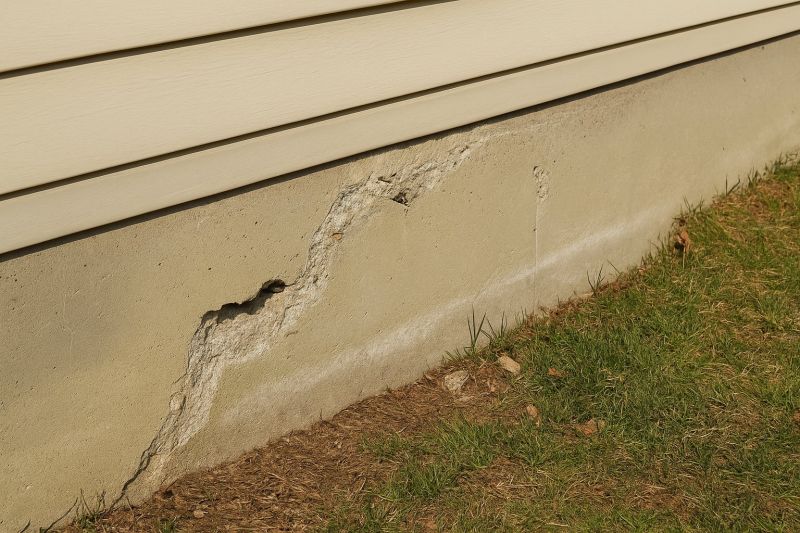
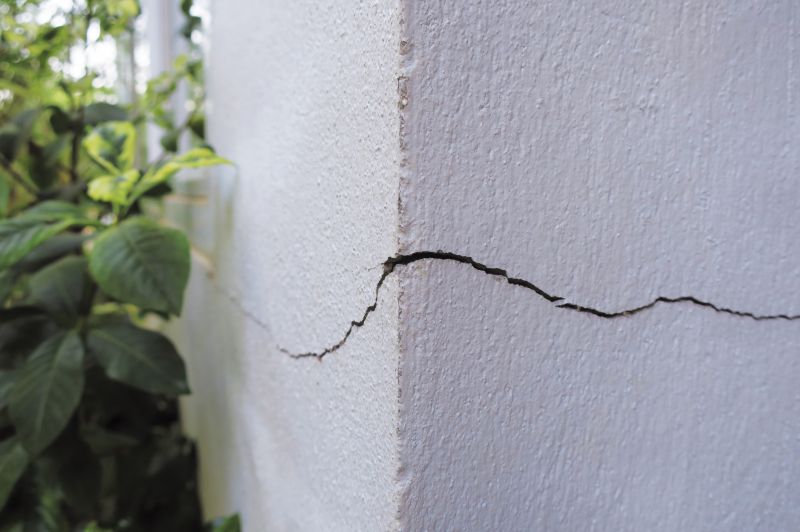
Cracks in concrete foundations are a common concern for property owners, especially when they notice changes in their home's appearance or experience minor shifts in the structure. These visible cracks can develop from settling, temperature fluctuations, or moisture issues, and over time, they can compromise the overall stability of the building. Property owners often seek information on how these cracks might lead to more serious problems, such as uneven floors, sticking doors, or even foundation failure if left unaddressed. Local contractors who specialize in foundation repair can assess the severity of these cracks and recommend appropriate solutions to help maintain the safety and integrity of the property.
Understanding how cracks in concrete foundations affect structural stability is essential for homeowners who want to prevent costly repairs down the line. Small, hairline cracks might not be an immediate concern, but larger or expanding cracks can indicate underlying issues that need professional attention. Local service providers are equipped to evaluate the condition of the foundation and provide repair options that can help reinforce the structure. Property owners considering foundation crack repair services can benefit from consulting experienced contractors to ensure that any issues are properly managed before they develop into more significant problems.
How do cracks in concrete foundations impact structural stability? Cracks can weaken the overall integrity of a foundation, potentially leading to uneven settling or further damage that compromises the stability of the entire structure. Local contractors experienced in foundation repair can assess the severity of cracks and recommend appropriate solutions to maintain stability.
Can small cracks in a concrete foundation affect the building’s safety? Yes, even small cracks can indicate underlying issues that may worsen over time, affecting the structural safety. Professional foundation repair specialists can evaluate these cracks to determine if they require repair to prevent future problems.
What types of cracks are most concerning for foundation stability? Vertical and diagonal cracks that are wider than a hairline or that expand over time are often signs of significant movement or stress, which can threaten stability. Local service providers can identify these critical cracks and suggest suitable repair options.
How do cracks in concrete foundations lead to long-term structural issues? Over time, cracks can allow water intrusion, freeze-thaw damage, and further deterioration, all of which can compromise the foundation’s strength and the building’s safety. Experienced contractors can repair cracks to help prevent these long-term issues.
Why is it important to have cracks in a foundation evaluated by professionals? Professionals can accurately diagnose the cause and extent of cracks, ensuring that any necessary repairs address underlying problems and help preserve the structural stability of the building. Connecting with local foundation repair experts can facilitate proper assessment and repair solutions.
Assessing foundation cracks - Homeowners can identify early signs of foundation issues and seek inspections by local contractors to prevent further damage.
Understanding structural impacts - Knowing how cracks affect stability helps property owners prioritize repair projects with local pros to maintain safety.
Planning repair strategies - Property owners can work with local contractors to develop effective solutions for cracks that threaten the foundation's integrity.
Monitoring crack progression - Regular checks and professional evaluations ensure cracks do not worsen, preserving the foundation's stability over time.
If you are thinking about how cracks in concrete foundations affect structural stability for a property, this guide is meant to help you understand this topic, the typical project types, and how different options might fit your plans.
When you are ready, you can use the quote form on this page to share a few details about your project. From there, local pros can review the basics and follow up with options that match what you have in mind.